Textiles & Home
Coyuchi Pillow Covers: How Washed Texture Shapes Their Look and Feel
A softly rumpled pillow can make a carefully arranged room feel instantly more relaxed. With washed natural fabric, that lived-in character is not an afterthought: it comes from the way the textile is finished, and from the way its fibers respond to handling, movement, and care.
Published October 29, 2026
There is a particular charm to a pillow cover that looks as though it has already settled into the room. Its surface may carry gentle ripples, its edges may fall in easy folds, and its texture may feel softer than a crisp, newly pressed cloth. That ease is part of the appeal of washed linen and other washed natural fabrics. They bring a tactile, unstudied quality to a bed or sofa without asking the rest of the room to change.
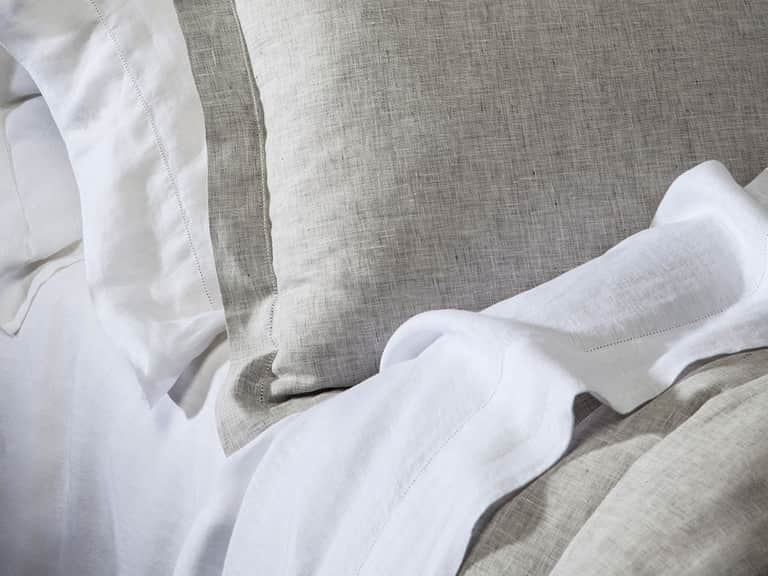
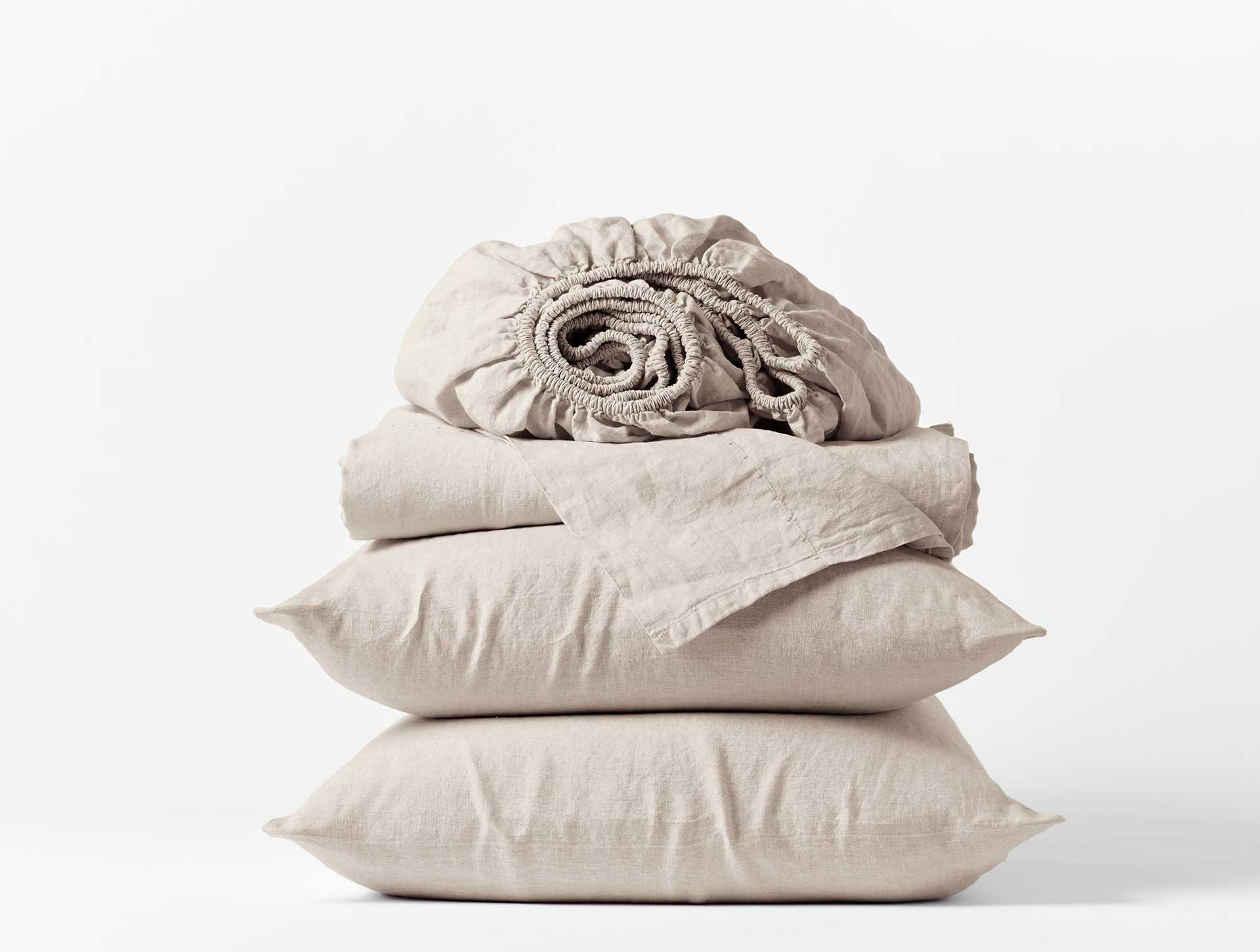
Coyuchi decorative pillow covers offer a useful way to think about this look. Their relaxed appearance is connected to more than color or pattern: the fabric’s weight, weave, and finishing all influence how it feels in the hand and how it drapes over an insert. A washed finish can soften the surface and help reveal a gently rippled character, while the linen itself contributes natural irregularity that makes the result feel individual rather than mechanically smooth.
That distinction matters. A softly rumpled surface is not necessarily a sign of poor construction or careless upkeep. It can be an intentional quality of the textile. Knowing how washed finishing works—and what it can and cannot do—makes it easier to choose pillow covers that suit a space, and to care for them without trying to press away the very character that makes them appealing.
What “washed” means in a textile
In everyday language, “washed” might simply mean laundered. In textile descriptions, however, it often refers to a finishing step performed during production. The fabric is washed or otherwise treated after weaving to relax it, soften its hand, and give it a less rigid appearance. Depending on the material and the specific process, this can make a new cover feel more supple from the outset than an untreated textile.
Washing allows the yarns and fabric structure to settle. The result may be a surface with a subtle, softened irregularity rather than a sharp, uniform finish. On linen, that quality meets the natural variation of flax fibers and yarns. Tiny differences in thickness and surface character are part of what gives linen its distinctive texture. A washed finish can emphasize that character, creating the gently rippled look often described as relaxed or lived-in.
The word does not identify one universal technique. Manufacturers may use different washing and finishing methods, and labels do not always explain every production detail. It is wise to read the care instructions and material description rather than assume that every washed cover will feel or behave exactly the same way. Fabric weight, weave density, fiber quality, dye, and construction all shape the final result.
Most importantly, washed does not mean indestructible, nor does it guarantee that a textile will never change. Linen can soften further with use and laundering, and natural fibers may respond to heat, agitation, and drying conditions. The aim is usually a softer, more relaxed starting point—not a fabric frozen permanently in one precise state.
The appeal of a gently rippled surface
Texture gives a room dimension, even when the palette is quiet. A smooth cushion reflects light differently from a slubby, softly creased one. Linen’s surface catches the eye in small, shifting ways: a fold deepens in shadow, a raised yarn picks up a highlight, and the overall effect changes as daylight moves across the room. The visual interest is restrained, but it keeps a neutral pillow from looking flat.
A washed cover also brings an inviting sense of informality. In a bedroom, it can soften the crisp geometry of a neatly made bed. On a sofa, it can make a formal arrangement feel more comfortable and approachable. That relaxed impression is particularly useful in rooms where upholstery, wood, or stone already contribute strong structure. A textile with a little movement offers contrast without adding another bold color or pattern.
There is a practical side to the aesthetic, too. A fabric that is meant to look relaxed does not demand the same immaculate smoothness as a pressed decorative cushion. Light creasing can blend into its character, so everyday use may feel less like a threat to the room’s appearance. That is not a promise that stains, deep folds, or heavy wear will disappear; it simply means the textile’s intended look is not perfectly flat.
People sometimes use “crushed linen” to describe an even more visibly textured appearance. The phrase can suggest a deliberately puckered or compressed effect, but it is not a reliable technical specification on its own. If the exact degree of texture matters, descriptions and close inspection are more useful than relying on a single style term. A washed linen cover may be softly rumpled without having a pronounced crushed finish.
How weave and fabric weight change the feel
Finishing works in concert with the fabric’s construction. Two covers can both be described as washed linen and still have noticeably different hands. One may feel light and fluid; another may be weightier, more substantial, or more structured. The difference begins with the yarn and weave, then continues through the finishing process.
A looser or lighter construction may drape readily around an insert, creating softer folds at the corners and a less formal silhouette. A denser or heavier fabric can hold a more defined shape and provide a fuller visual presence. Neither is automatically better. The right choice depends on whether the cover is intended to disappear into a layered bed or serve as a distinct accent on a chair or sofa.
Weave also influences how texture appears. Linen yarns can show small irregularities that become part of the surface, while the arrangement of those yarns affects the fabric’s openness, resilience, and movement. A smooth-looking weave can still feel relaxed after washing; a visibly textured weave may have character before any finishing occurs. Looking at weave and weight together helps explain why a product description’s mention of “softness” tells only part of the story.
Fit matters just as much. An insert that is too large for a cover can stretch the fabric taut and diminish its natural folds. One that is too small may leave the corners slack and the pillow less defined. A well-proportioned insert allows the textile to show its drape while keeping the cushion comfortable and composed. For a casual effect, some people prefer a softly filled pillow; for a tailored look, a fuller insert can make the edges more distinct.
- Lightweight fabric tends to fall into easier folds and may feel more fluid.
- Heavier fabric can lend a pillow a more substantial shape and stronger presence.
- Weave and yarn influence surface character, resilience, and how light plays across the cloth.
- Insert size affects whether the cover looks relaxed, smooth, plump, or softly slouched.
Choosing covers for a bed or a seat
A pillow cover does not have to match every surrounding textile to belong in a room. It can relate to the bedding or upholstery through color, texture, or scale instead. Washed natural fabric is especially adaptable because its surface adds interest without necessarily competing with other materials. A linen cover in a muted shade can sit comfortably beside cotton sheets, a wool throw, or a patterned cushion, provided the colors and proportions feel considered.
On a bed, think about where the cover will sit and how often it will be handled. Decorative cushions placed at the front of a layered arrangement are moved frequently, so durability and easy care may matter as much as appearance. If the bed already includes several textures, a simple pillow cover can create a quieter pause. If the bedding is spare, a more pronounced weave or a contrasting natural tone can add depth.
For seating, consider both the room’s level of use and the cover’s intended role. A pillow on a frequently used sofa experiences more rubbing and pressure than one displayed on a rarely used guest bed. A casually textured surface can suit an informal living space, but practical choices still count: removable covers, clear care directions, and a fabric weight appropriate to regular handling can make maintenance easier.
Color deserves a little attention, too. Natural fibers can have subtle shifts that make a solid shade feel dimensional. Pale neutrals often reveal texture through shadow and light, while deeper colors may emphasize folds and the outline of the cushion. If combining multiple covers, vary one quality at a time: pair a similar palette with different textures, or keep the surfaces similar while changing scale and color. The aim is a room that feels layered, not crowded.
Finally, consider the mood you want. A pressed, crisp cushion reads as tailored; a washed, softly rippled one feels more at ease. Neither is a universal rule, but the contrast can help you make an intentional choice. A room can also hold both: smooth bedding alongside a more relaxed decorative pillow, or structured seating softened with a casually finished cover.
Care that respects the finish
Care begins with the label. Instructions vary by product, and a general recommendation for linen should never override the directions supplied for a specific cover. Check water temperature, cycle, drying method, and any instructions about color separation before washing. If the cover has a closure, fasten it as directed, and avoid overcrowding the machine so fabric can move without excessive friction.
For many washable natural-fiber covers, a gentler approach can help preserve the fabric’s hand: use an appropriate mild detergent, avoid unnecessarily harsh treatment, and follow the stated temperature limit. Excessive heat or aggressive agitation may encourage unwanted shrinkage, wear, or distortion. If a cover is particularly delicate, has special trim, or carries care restrictions, professional cleaning or spot treatment may be the safer option.
Drying is another moment when the finish can change. Follow the label’s guidance, and do not leave fabric in a hot dryer longer than necessary. Some linen covers are intended to keep a relaxed, slightly rumpled appearance, so a warm iron may be optional rather than essential. If you prefer a smoother surface, use the care instructions to determine whether ironing is suitable. Pressing can reduce creases, but it will also change the casually textured effect that washed finishing is meant to highlight.
When the cover is dry, give it a gentle shake and ease it back over the insert. This small step can help the fabric settle naturally without forcing it into a rigid shape. Between washes, regular airing and prompt attention to spills may reduce the need for frequent laundering. Always test stain treatments in an inconspicuous spot when appropriate, and avoid assuming that a natural-looking fabric is automatically safe for every cleaning product.
It is also worth keeping expectations realistic. Natural textiles may soften and develop character over time, but care cannot prevent all changes. Sunlight, repeated friction, laundering, and everyday handling affect fabric gradually. The goal is not to preserve a cover as though it were untouched; it is to maintain its usefulness and attractive texture through ordinary life.
Texture is not the same as a flaw
One of the pleasures of natural linen is that it need not look perfectly uniform. Subtle differences in yarn, weave, and surface can be part of the material’s character. A washed finish may make those differences more visible, while folds created by use add another layer of variation. These qualities can give a cover a sense of depth and individuality, especially when set against smoother fabrics.
Still, it helps to distinguish expected character from damage. A soft crease or uneven ripple is different from a tear, a pulled thread, a damaged seam, or a distortion that prevents the cover from fitting properly. Product descriptions may explain what kinds of variation are normal, and photographs or specifications can help set expectations. If something appears inconsistent with the stated construction, consult the retailer or maker rather than trying to correct a structural issue with heat or vigorous washing.
That balanced view is useful because “natural” and “relaxed” are sometimes treated as shorthand for a product that needs no thought. In reality, texture is a design decision, and good care supports it. Understanding the intended surface makes it easier to appreciate the fabric’s small irregularities while still recognizing when a piece needs attention.
A softer approach to finishing a room
Washed linen’s appeal is quiet, but its effect can be immediate. A decorative pillow cover changes how a room feels to the touch and how it reads from across the room. The softened hand invites contact; the relaxed drape breaks up crisp lines; and the gentle rippling lends dimension to a restrained palette. It is a small design choice with an outsized ability to make a space feel personal.
When considering Coyuchi pillow covers or other washed natural textiles, look beyond the label. Ask how the fabric is woven, what weight and texture are described, how the cover fits its insert, and what care it requires. Consider where it will be used and how much handling it will receive. Those practical questions help turn a pleasing first impression into a choice that continues to work in everyday life.
The best washed finish does not try to erase the material’s nature. It brings the textile closer to the way people actually live with it: touched, moved, folded, and used. Its surface can be soft without being flimsy, relaxed without looking neglected, and textured without overwhelming the room. That is the understated pleasure of linen—a fabric whose character often becomes more apparent when it is allowed to be itself.