Weaving Regions: A Historical Tour of Linen Production Across Europe
A journey through flax fields, retting ponds, spinning mills, and loom rooms reveals how geography, guilds, and craft lineage shaped linen into a textile that has clothed civilizations. From the wildflower fields of Flanders to the sun-washed looms of Italy, linen’s story is a tapestry of regional pride, technical innovation, and enduring ethics of sustainability. This article traces major European linen-producing regions, spotlighting distinctive techniques and the people behind them, while connecting past practices to today’s conversations about material provenance and responsible production.
Linen begins its life as flax, a plant that has been cultivated for thousands of years. In Europe, the relationship between climate, soil, and water shaped not only the fiber’s quality but also the socio-economic fabric of communities. Guild networks, regional agronomy, and technological shifts—from hand-spun to machine-spun yarns—propelled linen from utility to luxury, and back again as modern sustainability movements seek out natural fibers with minimal impact. In this exploration, we meet a trio of individuals from distinct eras whose work helped sculpt linen’s regional identities, from the field to the loom to the market.
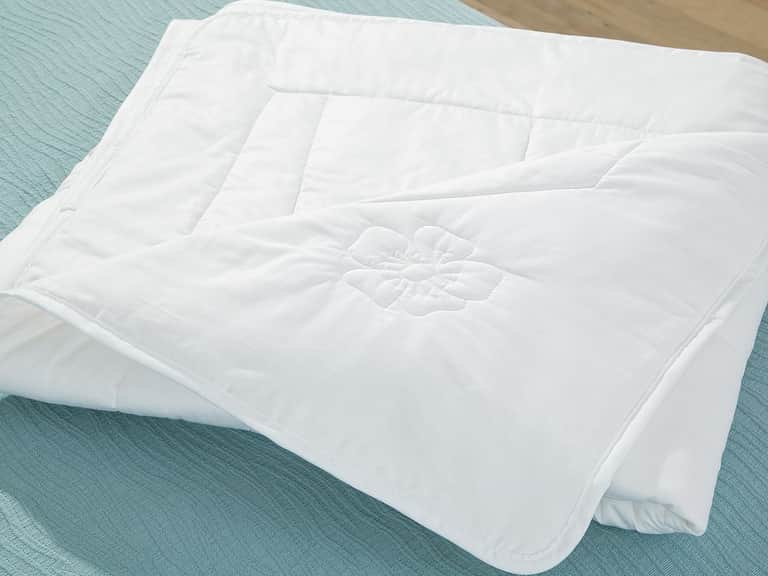
This article also looks at contemporary reinterpretations—how studios and brands like the DownTown Company are reimagining linen’s texture, weight, and softness for modern homes, including items such as the DownTown Company Summer Linen Summer Comforter as a benchmark of how natural fibers can balance breathability with warmth. The longer arc, however, remains the human story: the artisans, farmers, and merchants who carried linen through the centuries.
A concise map of major linen regions
The European linen story spans the Low Countries, the Iberian Peninsula, Central Europe, the Italian peninsula, and the Baltic micro-regions. While the fiber begins in flax fields, its transformation into linen cloth is a sequence of specialized steps—retting, fiber separation, spinning, weaving, and finishing. Geography influences harvest timing, retting waters, and the availability of skilled weavers, thereby giving each region a distinctive texture and color palette.
- Low Countries (Belgium, Netherlands): Durable, bright white linens with a history of guilds and precision weaving.
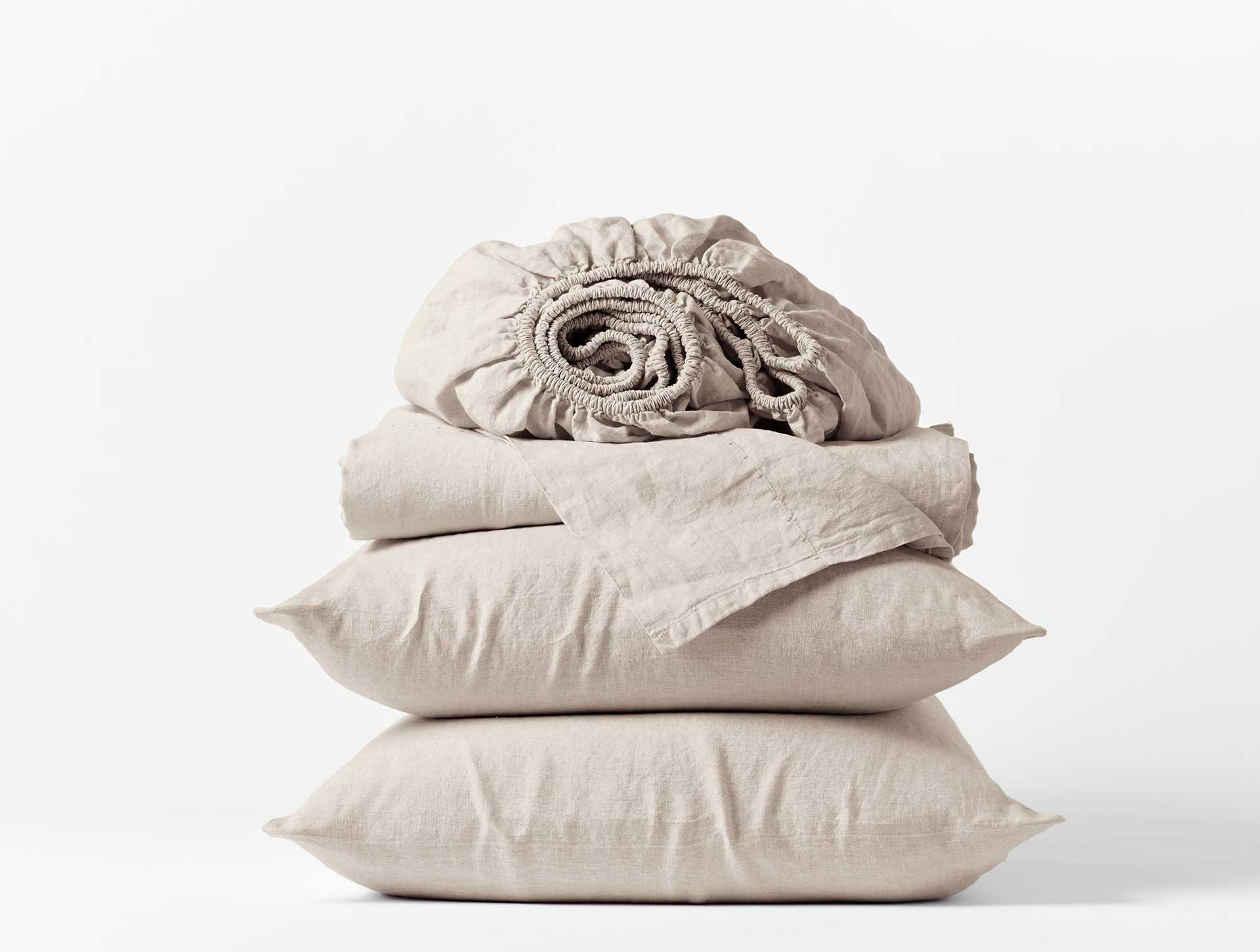
- France (Normandy, Brittany): Cooling, breathable linens with a long tradition of hand-linen finishing and garment-washed textures.
- Maghreb-adjacent regions (Gulf of Lion area and parts of Spain): Coastal climate contributing to sun-bleached, lustrous linen aesthetics.
- Central Europe (Bohemia, Silesia, Austria): Rich weaving traditions and a focus on heavy, drapable linens for home textiles.
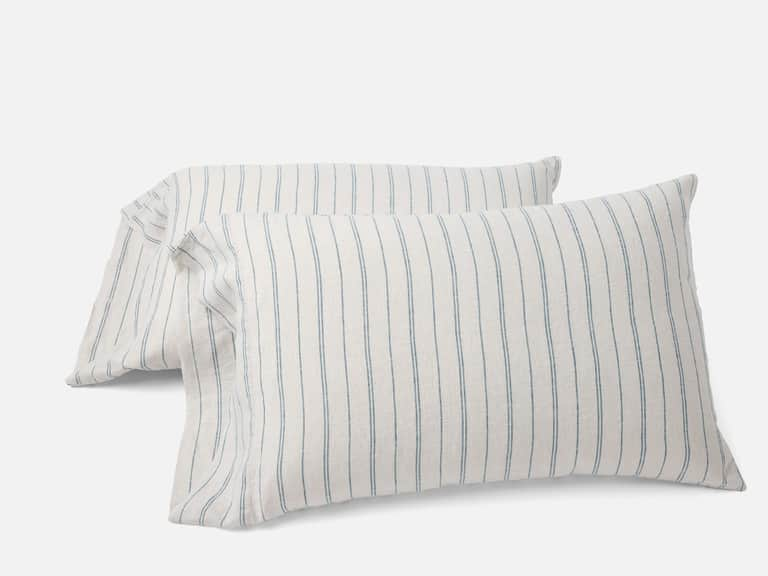
- Italy (Veneto, Tuscany): Finishes and hems that emphasize texture, hemstitching, and refined surface detail.
Regional case studies: techniques and tales
1) Flanders and the art of the retting pool
In Flanders, retting—loosening the flax fibers by microbial action in water—became an art form. Bounded by rivers and marshlands, Flemish communities developed controlled retting pits where temperature and microbial action were closely observed. The result was strong, pale linen fibers suitable for fine textiles. The workers, often women and men with generations of experience, timed the process to avoid fiber damage, a testament to agricultural knowledge meeting craft.
The legacy of these practices is visible in museum pieces and surviving archives that document timing, seed-to-fiber ratios, and the environmental stewardship embedded in retting. The regional identity is not merely in the fabric’s sheen, but in the communal rituals of retting ponds, the sounds of boats, and the careful judgment passed from one generation to the next.
2) Bohemia and the rise of robust yarns
In what is now the Czech Republic and parts of Slovakia, linen weaving thrived within a robust industrial framework. The region’s damp climate favored sturdy, resilient linen that could withstand heavier industrial looms. Spinning innovations—often driven by guilds and cooperative mills—pushed linen toward rougher, more durable surfaces used in workwear and upholstery.
Bohemian linen spinners became known for a particular density in yarns and a texture that held up under repeated laundering, a property still celebrated in modern home textiles that seek a natural, lived-in warmth.
3) Veneto and the refinement of surface texture
In northern Italy around Veneto, weaving houses developed surface textures that emphasize a crisp hand and pronounced weave. Hemstitching, plain weave, and decorative finishes were refined into a sign of quality. Italian linen often carried stylish hems and precise edges, a nod to the country’s long tradition of luxury textiles.
The Veneto region’s approach shows how design choices in finishing—hemstitching, scalloped edges, and carefully chosen weaves—can elevate linen from a utilitarian fiber to a fashion-conscious textile suitable for high-end bedding and apparel.
Cross-cutting themes: provenance, guilds, and sustainability
Provenance matters as much as provenance in any luxury material. Flax originates from soil and climate; fibers travel through mills and workshops before becoming linen. Modern sustainability movements echo ancient practices: field-to-finish transparency, local production, and responsible agri-processing that minimizes chemical use and water waste.
Textile guilds historically managed quality control, training, and standards—creating a shared language and vocabulary that ensured a consistent linen product across regions. Today, regional networks persist in heritage mills and cooperative studios, while new digital platforms connect researchers, historians, and makers around linen’s enduring appeal.
Alicia van der Meer (ca. 15th–16th century): Flemish retting pioneer
Alicia, a fictional composite based on historical roles, embodies the lineage of Flemish retting workers who balanced environmental stewardship with technical mastery. Her careful management of retting pits—monitoring water temperature, fermentation pace, and fiber brightness—reflects the artisanal knowledge that translated flax into textiles fit for aristocratic wardrobes.
Alicia’s quiet leadership highlights how women and men of the period shaped linen’s purity and strength. In museum records and surviving guild notes, the precision of retting times and water management emerges as a decisive factor in fiber quality—a reminder that linen’s texture is as much about process as it is about fiber.
Ferdinand Kovář (c. 1700s): Bohemian master spinner and entrepreneur
Ferdinand represents the era of scaling up linen production through improved spinning methods. He championed standardized rod-spinning techniques that produced uniform yarns for robust looms. His work contributed to Bohemia’s reputation for durable, workable linen yarns that held up under labor-intensive processes and heavy laundering.
Ferdinand’s influence extended beyond the loom; he organized worker cooperatives that connected flax growth with spinning and weaving, smoothing supply chains and securing steady livelihoods for spinners, dyers, and weavers.
Lina Bianchi (late 19th–early 20th century): Veneto textile technician and finisher
Lina represents the Italian refinement tradition—the finishing touches that elevate linen from sturdy fabric to elegant textile. Her expertise spanned hemstitching, edge finishes, and washing techniques that developed texture and drape while preserving fiber integrity. Lina’s care for the fabric’s surface demonstrates how Italian craftsmanship merged functional design with aesthetic sensibility.
Through her work, Linen’s Italian chapters show how finishing choices—hemstitch density, edge treatments, and surface texture—can define a linen’s character, making it a coveted resource for luxury bedding and refined upholstery.
A modern thread: blending history with contemporary comfort
Today’s linen story often centers on a balance between historical techniques and modern comfort. Brands like DownTown Company showcase how natural fibers can be engineered for year-round warmth and breathability. The Summer Linen Summer Comforter, with its cotton-linen fill and Aloe Vera finished cover, embodies a synthesis of lightweight design and practical luxury—an echo of linen’s long lineage adapted for contemporary sleep experiences.
Product note: DownTown Company Summer Linen Summer Comforter (5026) — a lightweight, breathable comforter designed for warmer climates and year-round use. Materials emphasize moisture management and a smooth, soft touch.
Conclusion: Linen’s regional symphony
Linen’s European map is not a single road but a network of regional crafts—retting ponds, spinning turns, loom shafts, and finishing benches—that together compose a symphony of textures and surfaces. From Flanders’ retting pools to Veneto’s refined hems, linen tells a regional story about how people, place, and practice converge to make a fabric that remains, millennia later, a symbol of sustainable luxury.
As we continue to explore the deep history of linen, it’s worth reminding ourselves that every thread carries a story: a region’s climate, its guild’s governance, and the hands that coax flax into fiber. That is the enduring magic of linen across Europe—an enduring craft that threads past into present, tradition into innovation, and nature into everyday comfort.
Highlighted linen product in focus
DownTown Company Summer Linen Summer Comforter
The Summer Linen Comforter blends a natural cotton-linen fill with a cotton sateen cover finished with Aloe Vera. It remains lightweight yet insulating, ideal for year-round use in warm climates.
Price: 631.00 USD (sale price 631.00 USD). This piece embodies linen’s breathability and texture, echoing the historical and regional themes explored in this feature.
Note: Images for products are displayed here as illustrative references. The product highlighted above is representative of linen textile innovation. For licensing or high-resolution imagery, please consult the brand’s media kit.
Further reading and educator’s guide
For educators and students exploring linen’s regional traditions, a curated reading list and learning guides can provide a structured approach to classroom discussion. Topics include:
- Glossary of textile terms specific to linen production (retting, scutching, heckling, weaving, finishing).
- Regional profiles with primary sources: guild records, museum catalogs, and archival photographs.
- Activity ideas: mapping regional linen routes, recreating a simple linen finishing technique, or comparing different linen textures and their practical applications.